Cornish Piskies vs Devon Pixies: A South-West Fairy Comparison
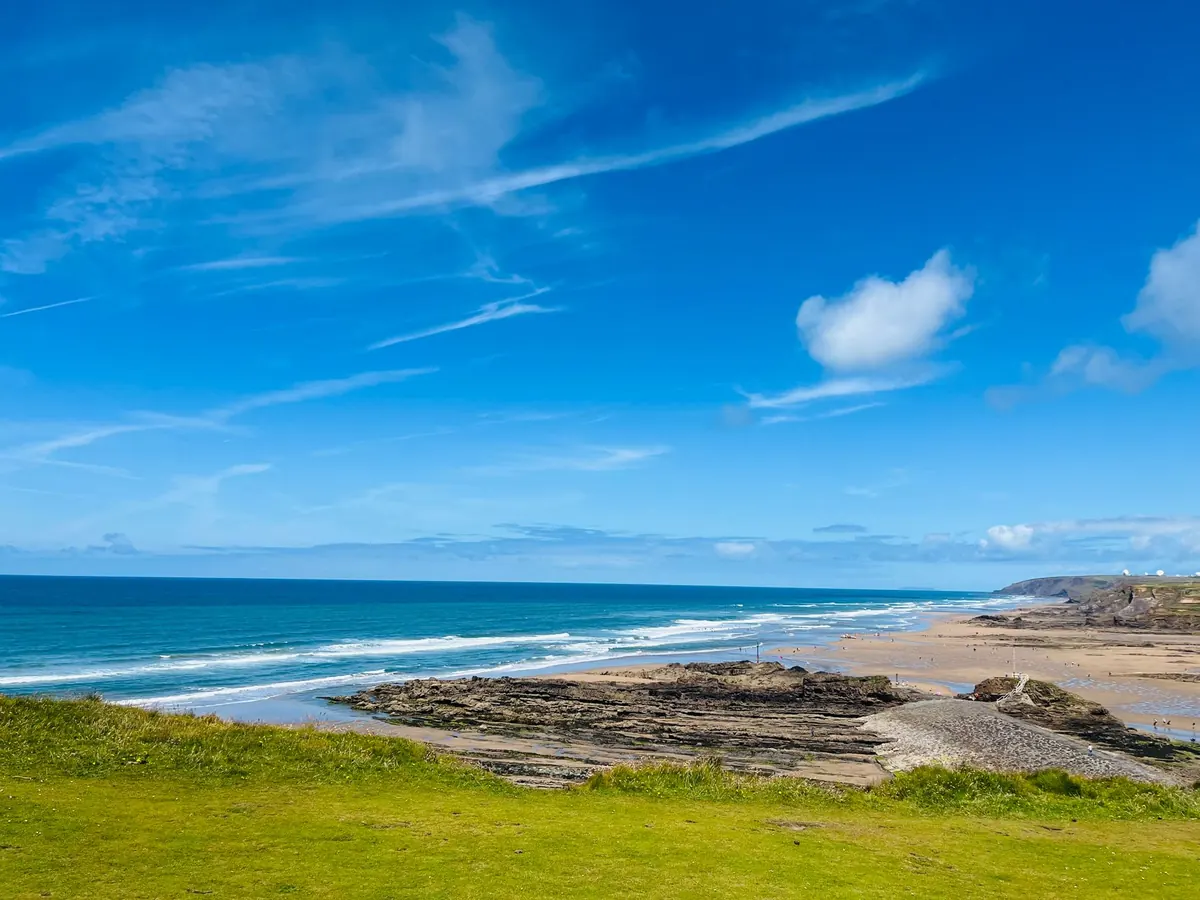
Cornwall and Devon share a peninsula, a coastline and a great many surnames, but they do not share a fairy. Cross the Tamar and the small people change their spelling, their manners and their attitude to housework. Cornwall keeps piskies: ragged, red-haired and gloriously unreliable. Devon keeps pixies: just as fond of mischief, but far more likely to be found tidying a hearth than leading you into a bog. The two traditions overlap enough to confuse, and diverge enough to argue about over a pint.
One name, two spellings, two temperaments
Both names come from the same root and both are said the same way aloud: PIX-ee. Cornwall has long preferred piskie, sometimes pisky or even pigsy; Devon settled on pixy or pixie. A Cornish charm might be written for a "pisky" while a Dartmoor story about the same creature calls it a pixy. That spelling is your first clue to where a tale has travelled, and often to which county it originally belonged.
Temperament is the second clue. In Devon, pixies sit close to the brownie tradition found across Britain: small household helpers who expect tidiness and resent being watched. In Cornwall, piskies feel wilder. They dance on high ground, borrow horses and take real delight in getting people thoroughly lost.
The Cornish piskie: ragged, old and never quite safe
Forget the winged Victorian fairy. In the older Cornish accounts, a piskie is small, wizened and often described as looking elderly, dressed in rags, with red hair and a face closer to a goblin's than an angel's. Wings arrive late in the tradition, mostly with nineteenth-century illustration and, later, greetings cards.
What piskies do, in the collected tales, is trouble. They gather in rings on Bodmin Moor and other high ground and dance by night — which is one reason generations of farmers thought twice about ploughing round a fairy ring. They ride horses across the fields, leaving the animals lathered by morning with their manes tangled into knots known as piskie stirrups. They blow out candles, tip over milk pails and, most famously, send travellers wandering. That experience had its own name: being piskie-led.
Piskies also have relatives. Cornish lore gives us spriggans, who guard cairns and buried treasure and swell to a monstrous size when threatened, and the knockers of the mines, whose knocking warned of unsafe ground or pointed towards good ore, depending on the teller. Whether you count them as cousins or neighbours depends on which version of the story you grew up with.
The Devon pixy: house rules and a clean hearth
Devon's pixies are not tame, but they are noticeably more domestic. In stories gathered from Dartmoor, the South Hams and the Tamar valley, they behave like brownies with a sense of grievance. A neat house gets its work done overnight — bread baked, butter churned, floors swept. A slovenly one gets pinched in the morning, or finds the churn spoiled and nothing to show for it. A saucer of cream left on the step never went amiss.
Dartmoor keeps its own pixy scares: travellers pixy-led off the track, laughter heard from the wrong side of a wall, and horses found sweating in a closed stable. Ottery St Mary still holds a Pixie Day each June, when the town remembers a legend in which the local pixies were outwitted and driven away. The details shift with each telling, but the bells of the parish church usually play their part.
Devon also had the good fortune to be written down thoroughly by nineteenth-century clergymen and antiquaries, which is a large part of why "pixie" is now the familiar spelling across Britain and "piskie" reads as specifically Cornish.
Where the two traditions part company
- Domestic habits: Devon pixies tidy houses. Cornish piskies make a mess of them.
- Appearance: both are small and old-seeming, but Cornish accounts lean harder into rags, red hair and wizened faces.
- Territory: piskies belong to moor, mine and standing stone. Pixies belong to hearth, farmyard and lane.
- Moral tone: Devon stories reward tidiness. Cornish stories reward politeness, and sometimes reward nothing at all.
- Menace: both can lead you astray, but Cornish piskies are more often said to leave a squalling substitute in a cradle.
What both counties agree on
The rules that cross the Tamar are the interesting ones. Joan the Wad, often described as queen of the piskies and sold on both sides of the border as a lucky charm, turns up in Devon as readily as in Cornwall. The Wisht Hounds run Dartmoor and the Cornish moors alike. And the remedy for being led astray is the same everywhere: turn your coat inside out, or pull your pockets inside out, and walk on without looking back or speaking to whatever is calling your name. Bread and salt carried in a pocket, a dish of cream on the step and a polite greeting at dusk all appear in both counties' stories.
If you want to read the old material for yourself, keep the counties straight. Robert Hunt's Popular Romances of the West of England, published in the 1860s, is the great quarry for Cornish piskie tales. Anna Eliza Bray collected along the Tamar and the Tavy in the 1830s, and Sabine Baring-Gould wrote up Devon's pixy lore at the end of the century. Read them and the difference in tone is obvious within a few pages.
Taking the lore for a walk
The best way to keep this folklore alive is to go and stand where it was told. Bodmin Moor, the Cheesewring and the old mining ground around Camborne all give piskie stories somewhere to sit. On Dartmoor, walk a lane at dusk and you will understand the pixy-led tales without anyone explaining them.
A few practical notes. Take a map and stay on the paths — folklore is a poor substitute for navigation, and moorland weather turns quickly. Wrap up properly, and if you want the old remedy to hand, wear a coat you are willing to turn inside out. If you are writing or retelling, keep the local spelling: piskie in Cornwall, pixy in Devon. It signals to readers that you know the ground you are on, and it keeps a small, strange distinction alive.
Photo: Koshala Basnayaka / Pexels