British Bird Superstitions: A Quick Identification Checklist
A single magpie on the garden fence. A robin on the spade handle. A crow calling from the chimney pot. Long before forecasts and news alerts, birds were Britain's morning bulletin — telling you who was coming, what the weather would do, and whose luck was about to turn.
The trouble is that the lore is scattered across counties, contradicts itself cheerfully, and has been muddled by a century of Christmas cards. What follows is a working checklist: the birds you are most likely to meet, and what the old stories say about each.
Magpies: One for Sorrow, and How to Reply
The magpie is the great British counter. Spot one alone and tradition says sorrow is on the way — which is why so many people still nod, doff an imaginary hat, or murmur, "Good morning, Mr Magpie, how's your lady wife?" Some add a discreet spit. The greeting is the point: you have acknowledged the bird rather than ignored it.
The counting rhyme is the practical part:
- One for sorrow
- Two for joy
- Three for a girl
- Four for a boy
- Five for silver
- Six for gold
- Seven for a secret never to be told
Versions vary by county — in parts of Lancashire and Manchester it runs "one for sorrow, two for mirth, three for a wedding, four for a birth" — but the message is the same. A pair of magpies is lucky. A group is luckier still. And a single bird is usually not single for long, because magpies are sociable and often arrive in twos and threes.
Quick tip: before you decide your day is doomed, look again — the second bird is often just behind the hedge.
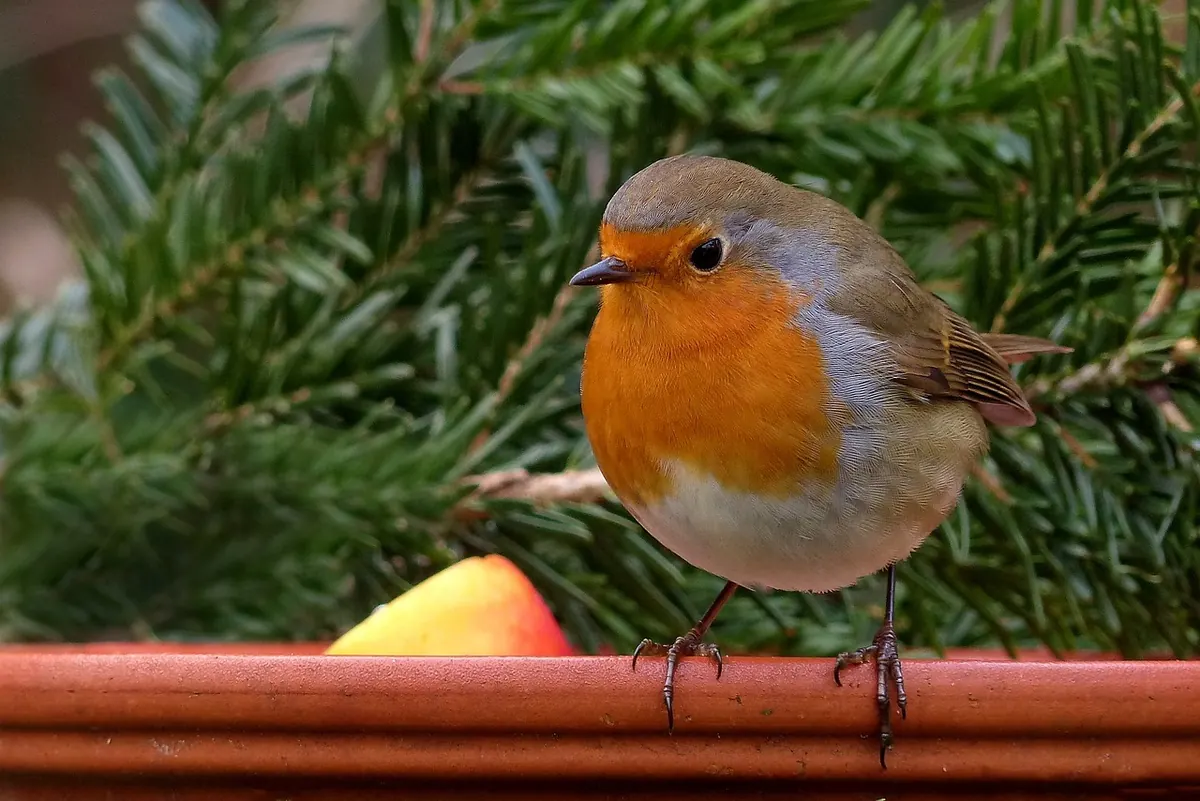
Robins: The Bird at the Window
The robin is the friendliest bird in the garden and the most emotionally loaded. In much of Britain, a robin inside the house meant a death to come. A robin tapping at the window is read more gently these days, as a visit from someone who has died, and plenty of people still greet one at a graveside. Harming a robin was thought to bring the worst luck of all — the old warning is that the hand that kills a robin will shake, or the offender will break a bone.
There is a simpler explanation for the bird's confidence. Robins follow digging because of the insects turned up by a spade. The folklore just gave a useful habit a meaning.
Crows, Ravens and Rooks
Crows carry a heavy reputation. A single crow on the roof, three crows together, crows gathering quietly in a tree — all were read as warnings. The Tower of London ravens are the famous version: the story goes that the kingdom falls if they ever leave, which is why their wings are traditionally clipped.
Rooks were subtler. A rookery near a house was lucky; rooks deserting it suddenly was not. The old explanation was that rooks could sense a death coming. The modern one is that rooks are sensitive to disturbance and will move on when a site stops suiting them. Folklore, you notice, often turns sharp observation into a story.
Swans: Royal Birds and Careful Wishes
Swans carry weight in law as well as lore. Unmarked mute swans on certain stretches of the Thames are traditionally owned by the Crown, and the annual Swan Upping ceremony still counts the cygnets. Killing or injuring a swan was considered deeply unlucky, and the old belief that a swan sings only once, just before it dies, gave us the phrase "swan song".
Another persistent one: swan feathers in a pillow would keep you awake, or make a deathbed restless. Practical note — leave the feathers where they are. Swans defend their young fiercely, and a nest is best given a wide berth.
Swallows, Wrens, Owls and Cuckoos
Swallows
A swallow nesting in your eaves was a blessing, and destroying the nest brought bad luck. Swallows leaving early were said to forecast a hard winter.
Wrens
The wren was called the king of the birds; the old story says it won the title by hiding in the eagle's feathers and flying a little higher. Hurting one was unlucky. The "hunting the wren" customs of the past belong in the history books, not the garden.
Owls
An owl hooting near a house was an omen of illness or death, and one seen by daylight was a bad sign. Not everywhere, though — in some places the owl was simply wise, and it remains the most misread bird in Britain.
Cuckoos
Hearing the first cuckoo of spring called for luck: turn over the coins in your pocket, or make a wish. A cuckoo heard before breakfast, or while you were still in bed, was thought bad.
A Practical Checklist for Garden and Road
- Count before you conclude. One magpie is rarely alone for long; check the hedge, the tree and the roofline.
- Greet, don't dread. A nod and a "good morning" costs nothing and turns an omen into a small, pleasant ritual.
- Let comfort win. If a robin keeps you company at a difficult time, take it as company rather than a warning.
- Keep a note. Date, bird, what happened. Within a month you will have your own small archive of local lore.
- Never harm a bird or disturb a nest. All wild birds, their nests and their eggs are protected in the UK under the Wildlife and Countryside Act 1981, and no superstition justifies interfering.
- Ask locally. Folklore changes from county to county. The best version of this checklist is the one your family or neighbour was told.
Birds are not omens; they are neighbours with feathers and habits of their own. But the old instinct to notice them — the pause, the count, the greeting — is worth keeping. If nothing else, a magpie on the fence is a good reason to look up.
Photo: Oldiefan / Pixabay