Harvest Home and Lammas: A Seasonal Guide to British Harvest Folklore
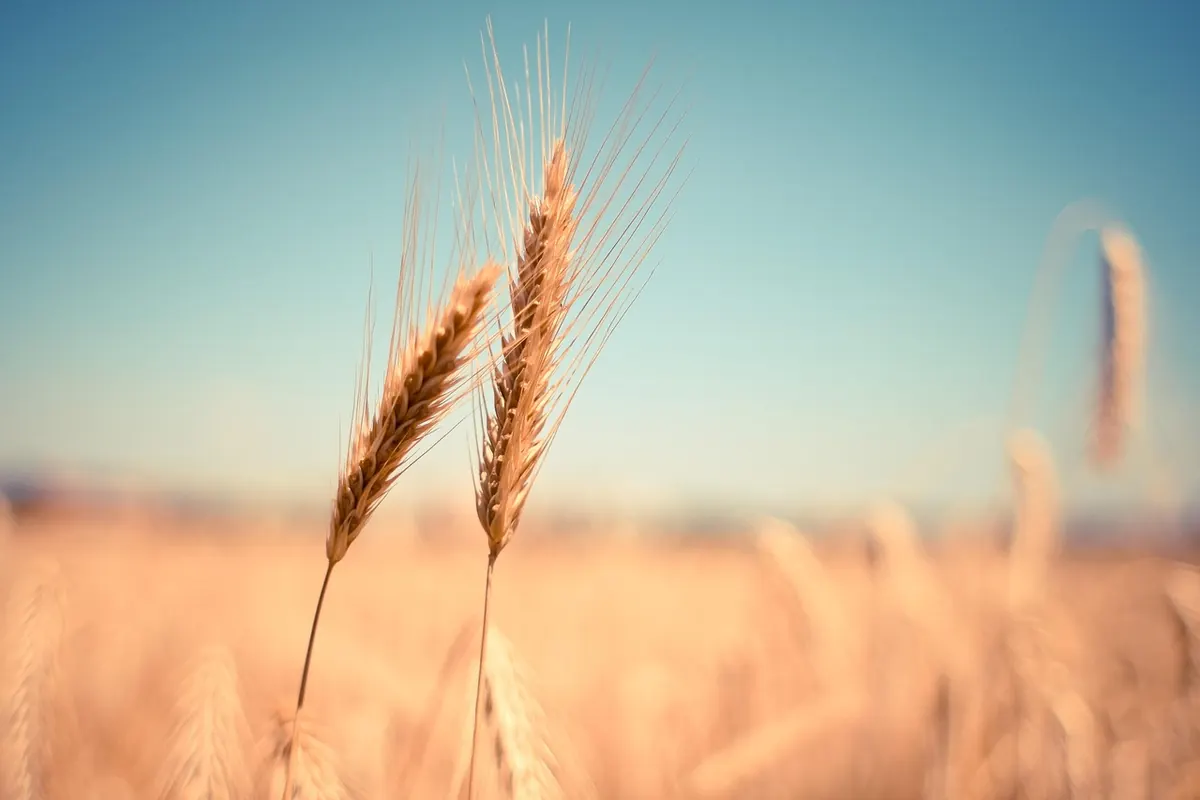
Stand at the edge of a barley field in late July and you can hear the year arriving at once: the rattle of a combine, the swish of stalks, the sudden silence when the engine stops. For most of British history that noise was the biggest event in the parish calendar. The grain harvest fed the household, paid the rent and set the price of bread for the winter. Everything else, from hiring fairs to church festivals, arranged itself around it.
Two names sit at the centre of that season: Lammas, at the beginning, and Harvest Home, at the end. Between them lie some of the strangest and most stubborn customs in the British countryside, many of which have never quite died out.
Lammas: The Loaf Mass and the Quarter Day
Lammas falls on 1 August. The name comes from the Old English hlafmæsse, or "loaf mass": the first corn of the year was ground, baked into small loaves and carried into church to be blessed. In some parishes the loaf was presented at the altar before any of the new grain was eaten. It was a way of saying thank you before the cupboard was filled, not after.
In Scotland, Lammas was a term day, one of the four quarter days alongside Candlemas, Whitsunday and Martinmas. Rents fell due, farm servants were hired and paid, and fairs filled the towns. The Ould Lammas Fair in Ballycastle, County Antrim, still runs at the end of August and sells dulse and yellowman as it has for centuries. On the Gaelic calendar the day is Lughnasadh, marked with hilltop gatherings and bilberry picking, while the last Sunday in July still draws pilgrims up Croagh Patrick. In England, "Lammas lands" were strips of common pasture thrown open for grazing after 1 August; the name survives in field names and in a few unusual local arrangements.
The Last Sheaf: Maiden, Cailleach, Neck
Nobody wanted to cut the last standing corn. The old belief was that the spirit of the grain lived in the crop, and as the field fell it retreated into the final handful. Whoever cut that handful took the spirit home with them, for better or worse. Reapers threw sickles at the last patch from a distance, or left it standing altogether.
The final sheaf collected names across the country, and the names tell you who was expected to cut it:
- The Maiden — cut by the youngest girl on the farm, then dressed with ribbons
- The Cailleach or Carline — the old woman, in Scotland and parts of Ireland
- The Clyack — Aberdeenshire, where the word was used for the whole harvest supper
- The Neck — Devon and Cornwall, where the sheaf was "cried"
- The Ivy Girl or Kern Baby — southern England and Northumberland
Crying the Neck was the loudest custom of the year. The last sheaf was held aloft and the reapers called out three times, something like "We hav'en! We hav'en! We hav'en!" In Cornwall the neck was carried back to the farmhouse, where the farmer's wife was expected to hand out beer or a little money. Elsewhere the sheaf was plaited into a corn dolly and hung above the kitchen door until the next harvest, then given to the plough horses or turned back into the soil.
Harvest Home: The Supper, the Songs and the Largesse
Once the last load was in, the waggon was decked with hazel or oak boughs and driven home to shouts of "Harvest home!" The farmer then owed his workers a supper, and it was a debt he was expected to pay properly. The names differ by county but the shape of the evening was much the same: trestle tables in the barn, beef and plum pudding, ale, and singing that went on past midnight.
In the Borders and Northumberland it was a mell supper, named after the wooden mallet used to beat the last sheaf. In Devon it was a churn supper; in East Anglia a horkey. Some farms elected a harvest lord and harvest queen from among the workers to lead the field and the table. Reapers also sang for their money, calling "Largess!" at the farmhouse door and expecting coins or a jug of ale in return.
The songs were work songs first and entertainment second. "The Barley Mow" builds from a nick-pot to a barrel, each verse longer than the last, and is designed to be sung by people who have spent a fortnight bending over stubble. "All Among the Barley" came later, written for the music halls in the mid-nineteenth century, but it settled into the repertoire and never left.
Gleaning: The Custom That Fed the Poor
After the carts had gone, the field was opened to gleaners. Gleaning was the right to collect the stray ears left behind, and by custom it belonged to widows, children and the poorest households in the parish. A gleaning bell often rang to start and stop the day, and the parish expected farmers to honour the arrangement.
It was a real source of winter bread, and it was contested. Enclosure, larger fields and mechanical reapers all squeezed gleaning, and by the twentieth century it had largely gone. The idea has returned in a different form: gleaning networks now send volunteers into fields after the commercial harvest to collect surplus crops for food banks and community kitchens. If you want a harvest custom you can genuinely take part in, that is the one.
Corn Spirits, Hares and Harvest Weather
The harvest was also a fortnight of careful behaviour. A few beliefs turn up again and again in nineteenth-century collections:
- A hare seen in the standing corn was treated as the corn spirit in animal form, and was never to be shot at harvest
- Leaving a few stalks standing was good manners as well as good luck: the crop belonged to something other than the farmer
- Counting your sheaves, or boasting about the yield, was asking for trouble
- Rain on the first of August was said to promise a wet autumn, and a fair first of August a good one
The harvest moon, the full moon nearest the autumn equinox, was a practical gift rather than a superstition. It rises at almost the same time for several nights together, which gave reapers a run of bright evenings to finish the job.
From Lammas Loaves to the Victorian Harvest Festival
The church harvest festival as most of us know it is surprisingly
Photo: picjumbo_com / Pixabay