A Checklist for Visiting a British Folklore Site Respectfully
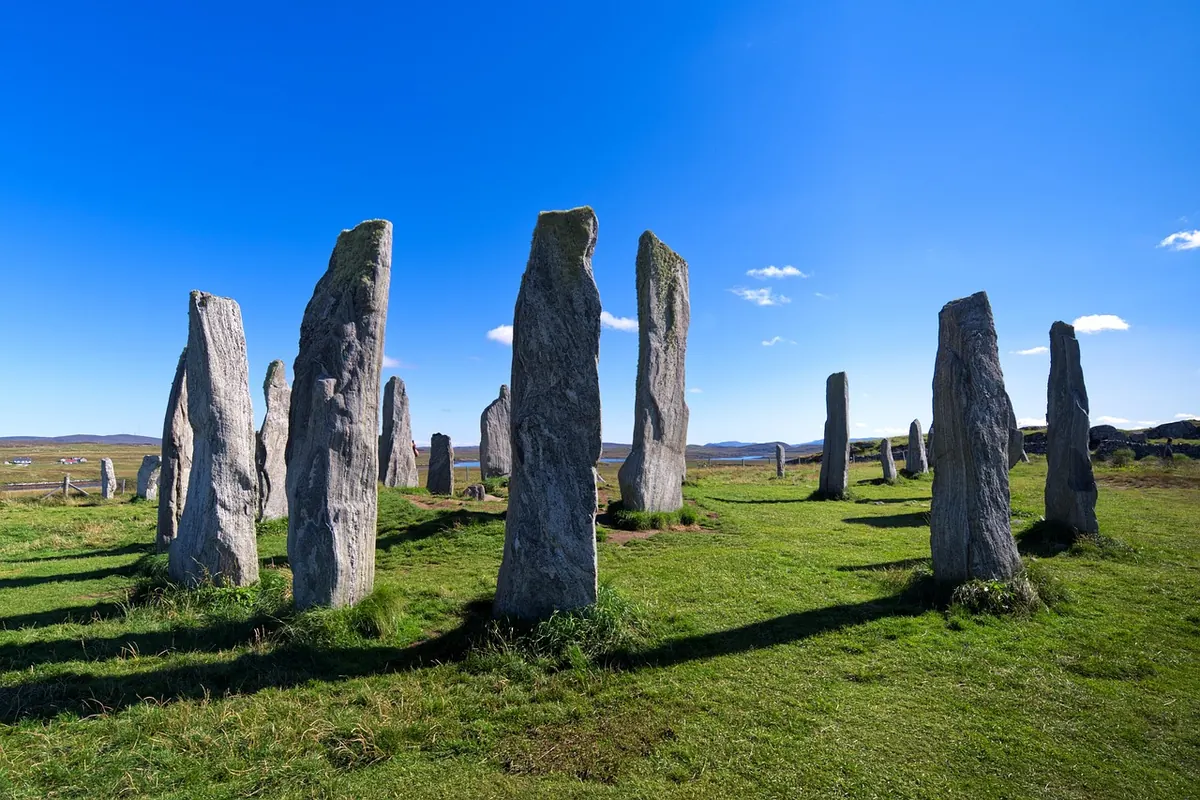
Anyone who has stood beside a standing stone in a drizzle knows the feeling: a quiet, stubborn sense of company. People have gathered at these places for centuries — for weddings, petitions, cures, protests, or simply to think. Whether you are drawn by history, folklore or curiosity, most of what a site asks of you is ordinary good manners. A few things are easy to get wrong, though, and the damage can be permanent.
What follows is a working checklist for standing stones, holy wells, fairy trees and ruins across Britain. None of it requires expert knowledge. It does require you to slow down, look at what is already there, and assume someone else will want to see it in fifty years.
Check before you go
A surprising number of well-known sites sit on private land, in working fields, or at the end of a track that is not a right of way. The stone circle that looks so inviting in a photograph may be reached only by permission, and the farmer whose gate you climb has probably spent decades dealing with the consequences.
- Look up the site's legal status before travelling. The historic environment records for England, Scotland, Wales and Northern Ireland list what is scheduled, listed or otherwise protected, and usually note public access.
- Check the map for footpaths and open access land, then follow the line of the path rather than the shortest route to the stones.
- Ask if it is unclear. A polite knock at the nearest house takes two minutes and often improves the visit.
- Pack for the ground, not the photograph. Long grass, bog, loose scree and livestock are normal. So is mud in February.
One legal point worth knowing: using a metal detector on a scheduled monument without consent is an offence, and so is digging, chalking or removing stones from protected archaeology.
At standing stones and earthworks
Stones look indestructible. They are not. Climbing on them wears the surface and loosens the footing below, and a wet winter can move a stone that has stood upright for four thousand years. Keep off banks, ditches and mounds as well — these are often the most fragile part of a site, and a path worn across a barrow can take decades to green over.
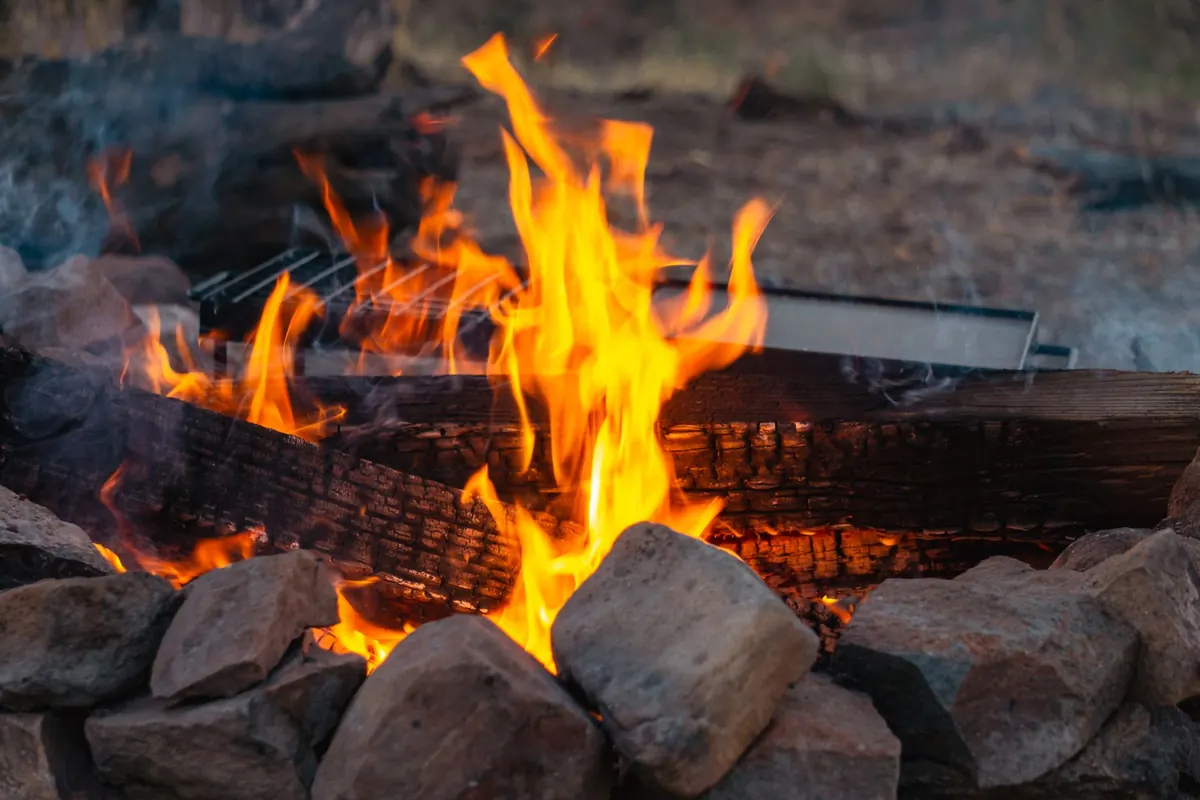
Do not move stones, and do not add your own to a cairn or start a new one. It looks harmless and it is not: stones lifted from the ground disturb buried archaeology, and a fresh cairn invites the next visitor to do the same. No fires, no barbecues, no fire pits; scorch marks on bedrock last, and dry summers make grass fires a real risk. If you fly a drone, keep well away — low passes disturb livestock and nesting birds, and quiet is often the whole point of the place.
At holy wells
Holy wells are among the most visited and least understood sites in Britain. Some are still used for ceremonies; others are little more than a stone trough in a hedge. Either way, treat the water as untreated: do not drink it. Runoff from fields and animals is common, and a healing reputation is no guarantee of anything. If the site matters to you, take a bottle home for the garden instead.
Don't wash anything in the well, don't scrub the stonework, and don't clear the moss — it is holding the structure together as often as not. Think twice about coins, too. They corrode, silt up the basin and can be swallowed by livestock and wildlife. An offering is better placed on a flat stone beside the well than in the water.
Rag wells and clootie wells
At some wells the tradition is to tie a strip of cloth to a nearby bush or tree, often with a wish attached. If you want to take part, use something that will rot: cotton, linen, wool. Ribbons, plastic strips and hair ties will still be hanging there in ten years, and the tree will be carrying them.
At fairy trees and lone thorns
A lone hawthorn in the middle of a field, or a single tree beside a well, is often older than the church in the next village, and it may be the subject of genuine local care. Either way, the tree is the point, and the tree is alive.
Do not hammer coins into the trunk, nail up ribbons or carve initials. Coins driven into bark break the surface and leave metal in the wood; a tree treated that way for twenty years can be hollow and dying. Don't cut branches, take slips or peel bark for a charm. Where a tree is already carrying more plastic than leaves — very common at famous sites — the kindest thing you can do is take a little of it away with you.
Ruins, churches and burial grounds
Ruined walls are unstable, whatever they look like from the outside, so resist the urge to climb. Churchyards are working places: a funeral may be recent, and a name on a stone may belong to someone whose family still lives nearby. Photograph with care. A weathered eighteenth-century memorial is one thing; a fresh grave with flowers on it is quite another. Leave no lit candles or incense, especially in dry weather — the wax stains stone and the fire risk is genuine.
Offerings, rubbish and the awkward business of tidying up
People leave things at these sites for sincere reasons, and the question of whether to clear them is genuinely difficult. Some offerings belong to a living tradition, and removing them can cause real offence. A workable rule: take away what is clearly litter, leave what is clearly deliberate and biodegradable, and never remove something that looks recently or carefully placed. If you visit with children, agree beforehand what counts as treasure and what stays where it is.
And keep your own visit low-key. Don't rearrange stones, don't hold loud ceremonies for an audience, and don't leave messages that the next visitor will have to read or remove. A site is not a stage.
A last look before you leave
- Nothing left behind that will not have rotted by autumn.
- Nothing moved, added or taken — no stones, no cuttings, no fragments of ruin.
- Gates as you found them, livestock undisturbed, dogs under control near animals and ground-nesting birds.
- Nothing burned, marked, carved or wedged into wood or stone.
If you got something wrong — most of us have — there is no need for a performance of guilt. Take the ribbon home, and tell the friend who was about to hammer a coin into the hawthorn. These places have survived ploughing, quarrying and a great deal of careless enthusiasm. A little attention from visitors is a small thing to ask, and it keeps them worth the walk.
Photo: It_was_a_pleasure / Pixabay