The Real Math Behind Slot RTP (And Why It Matters)

Walk into any casino forum and you'll find the same argument playing out: "That machine is due for a payout." It's the iGaming equivalent of believing a coin remembers landing heads ten times in a row. It doesn't, and neither does the slot in front of you. But understanding why that's true — and what the numbers behind a slot actually mean — is one of the few pieces of knowledge that genuinely changes how you play, whether you're spinning reels in Vegas, streaming poker at 2 a.m., or sweating an accumulator on a Sunday afternoon.
Let's break down the machinery that governs every wager you place.
RTP Isn't a Promise. It's a Long-Run Average.
Return to Player, or RTP, is the percentage of all money wagered on a game that gets paid back to players over time. A slot listed at 96% RTP theoretically returns $96 for every $100 cycled through it. Sounds generous until you realize the asterisk: "over millions of spins." Your session of 300 spins is statistically invisible.
Here's the concrete version. A game with 96% RTP and 40% hit frequency means roughly two out of every five spins return something. Most of those returns are smaller than your bet. That's not a bug — it's the design. Low-volatility slots like Starburst (96.09% RTP) sprinkle frequent, tiny wins to keep you spinning. High-volatility monsters like Book of Dead (94.25% at some operators) might pay nothing for 200 spins and then hand you 5,000x. Same genre, wildly different experiences.
The practical takeaway: RTP tells you which games are mathematically kinder, but variance tells you whether you'll survive long enough to feel it.
The House Edge: Where Casinos Actually Make Money
Every casino game bakes in a margin. Understanding those margins separates players who gamble from players who just donate.
- Blackjack (basic strategy, six decks): house edge around 0.5%. Best odds on the floor.
- Baccarat (banker bet): roughly 1.06%. Never bet the tie — that's a 14.4% hole.
- European roulette: 2.70% thanks to the single zero. American roulette doubles it to 5.26% with that second zero. That one extra pocket costs you almost double.
- Slots: typically 2–10%, depending on the jurisdiction and game. Land-based slots often sit at 88–92% RTP; online versions frequently run 95–97%. This is a real reason online slots are, on average, better bets than the ones blinking at you from a casino carpet.
- Sportsbook parlays: stacked legs multiply the vig dramatically. A five-leg parlay can carry an effective edge above 20%.
If you care about your money lasting, favor low-edge games and treat high-edge products as entertainment purchases, not investment strategies. Further details are available through slot mahjong.
Slots: Volatility Is the Variable That Actually Changes Your Night
Two slots with identical RTP can feel like different universes. Volatility — sometimes called variance — is how that payout is distributed.
- Low volatility: frequent small wins. Great for grinding bonuses. Reliable, boring, budget-friendly.
- Medium: balanced. Think Gonzo's Quest or most Pragmatic Play mid-tier releases.
- High: rare but massive. Money Train 3, San Quentin, the "Megaways" style beasts. You can lose your entire bankroll in minutes.
A disciplined approach: size your session bankroll at roughly 50–100 bets. If you're on a €1 spin and only carrying €100, stick to low or medium volatility. High-volatility games demand larger bankrolls, or you'll be broke before the bonus ever lands.
The Bonus Buy Question
Feature buy buttons let you skip the grind for 50–100x your bet. The math is typically identical to triggering it naturally — the RTP is usually the same or marginally lower. It's not a shortcut to profit. It's a shortcut to variance. If you buy a €50 bonus and it pays €12, don't rage about being cheated. You paid for a lottery ticket's worth of swings.
Poker Is the One Game You Can Actually Beat
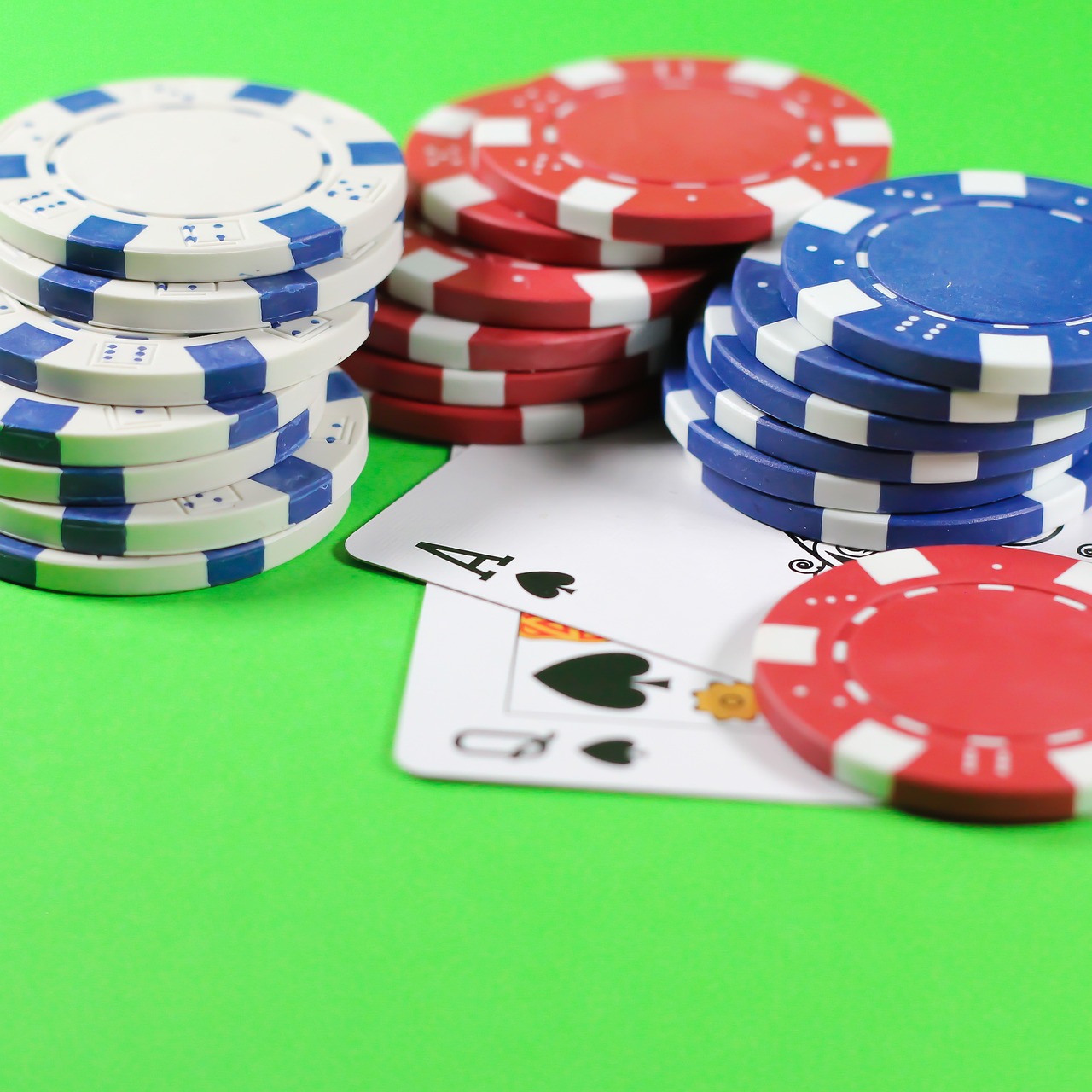
Every casino game is a wager against math you cannot change. Poker is different — you're playing against other humans, and the house simply takes a rake. This makes poker the only mainstream iGaming vertical where long-term profit is genuinely achievable for skilled players.
The skill gap, however, is brutal. A few hard numbers:
- In a typical low-stakes game, a truly elite player might win 3–5 big blinds per hundred hands. Not per hour. Per hundred hands.
- The rake in small-stakes cash games can eat 5–10% of every pot, making many tables unbeatable regardless of skill.
- Multi-tabling at four tables with a 55% win rate over a small sample can still produce losing months due to variance alone.
The biggest leak for beginners isn't math — it's patience. Playing too many hands, chasing draws without odds, and refusing to fold top pair when the board screams danger. Track every session; the data will humble you faster than any forum post.
The Bottom Line
None of this means you should stop gambling. It means you should stop gambling against yourself. Know the RTP, respect the variance, reject the gambler's fallacy, and never wager money you need for anything else. The house edge isn't a conspiracy — it's a business model. The players who last aren't the luckiest ones. They're the ones who understood the rules behind the rules.